Strategy made operational
Improve how your organisation decides, works and delivers.
IBLMS connects business excellence, practical AI, capability development, and digital products—starting with the real challenge, not a preselected tool.
ConsultationDesignImplementationCapability transfer
01 / The premise
Most performance problems do not fit neatly inside one department.
A process problem may need clearer measures. A technology problem may need better decisions. A training request may reveal a departmental workflow that also needs a practical solution. We connect the pieces before choosing the intervention.
Four connected practices
Different entry points.
One improvement system.
Engage one practice or combine several. The work is shaped around the outcome, the people, and the operating context.
01
Business Excellence & Performance
Clarify priorities, improve processes, and turn evidence into a manageable performance rhythm.
02
AI, Automation & Digital Workflows
Find practical, governed uses for AI and automation that remove friction without adding chaos.
03
Corporate Training & Capability Development
Build the judgement, routines, and confidence people need to sustain better ways of working.
04
Digital Products & Platforms
Design focused tools and platforms around real roles, decisions, and operational workflows.
How the work moves
From ambiguity to an operating result.
We keep the method visible so teams understand the reasoning, own the choices, and can continue improving after the engagement.
- 01
Frame
Define the decision, outcome, constraints, and people affected.
- 02
Diagnose
Map the current work, evidence, friction, and capability gaps.
- 03
Design
Shape the smallest coherent system of process, learning, and technology.
- 04
Embed
Implement, enable the team, review evidence, and adjust.
Business Excellence Diagnostic
Find the friction before choosing the fix.
A bounded review of one department, process, or clearly defined performance challenge can make bottlenecks, repeated work, unclear ownership, KPI gaps, and digital friction visible.
- Prioritised findings
- Practical quick wins
- High-level improvement roadmap
- Sensible automation opportunities
Selected work
Systems built around real work.
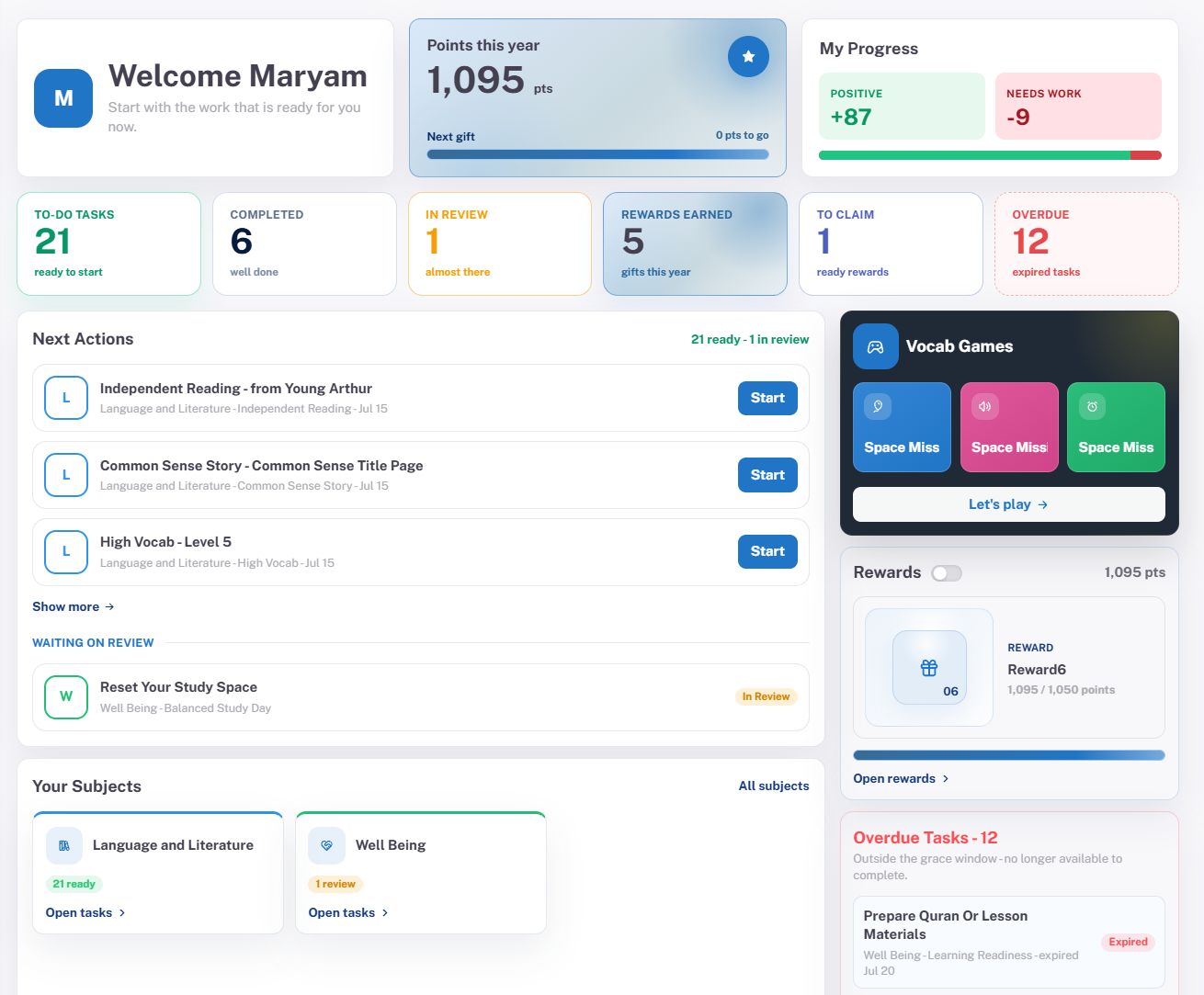
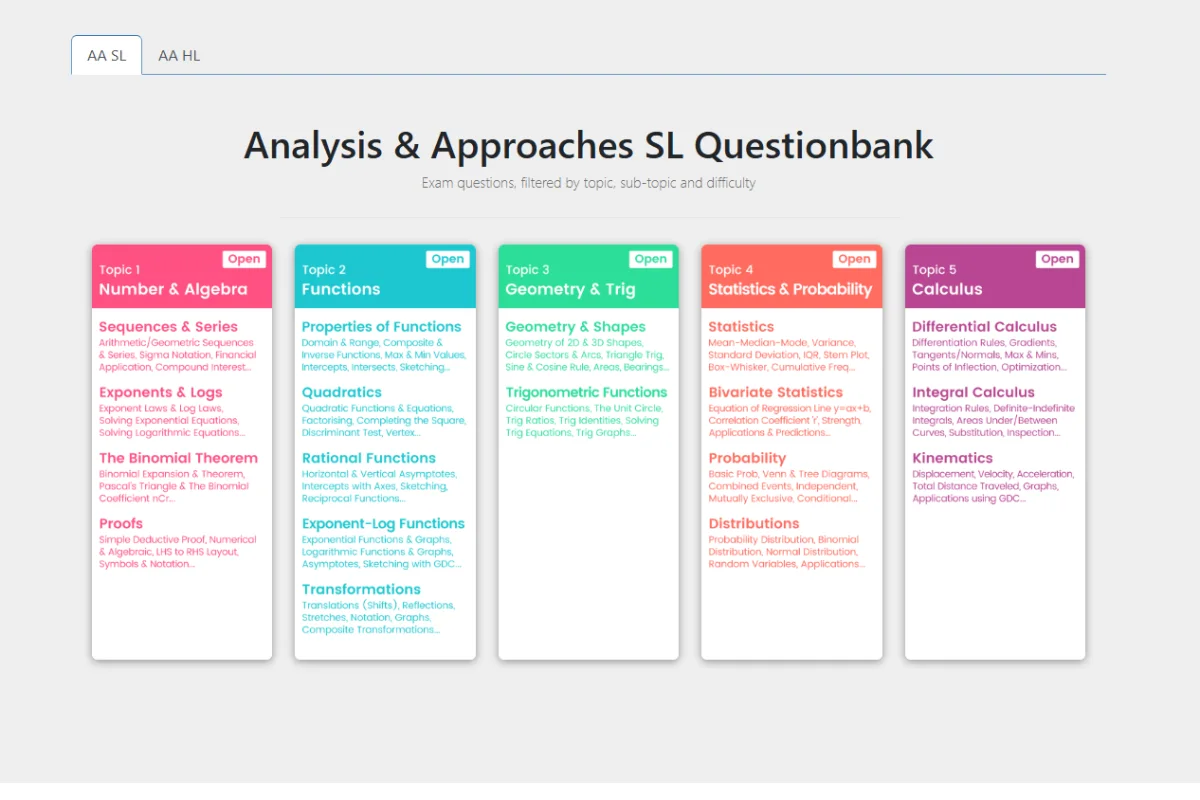

Capability grounded in real work
Training shaped around what the department must solve.
For a management AI programme, departmental and cross-functional issues were mapped into practical cases spanning workflow, coordination, reporting, customer complaints, and responsible AI use. The same approach shapes programmes around the work participants must improve—not around a generic catalogue.
Across B.TECH, Sysmex, and PIL, 16 corporate programme levels were designed and delivered.
Practice leadership
Dr Osama Qandil
Director of Strategy, Performance & Learning Systems
Doctorate in Business AdministrationSelected organisations we have worked with
Programme delivery, organisation-specific programme design, school reporting, and website work across distinct operating contexts.
 B.TECH
 Sysmex
 PIL
PIL IFCG
IFCG Notion
 Glacier
For delivery partners
Bring in a specialist when the work crosses performance, learning, and digital implementation.
IBLMS can support training and consultation companies, education organisations, and other delivery partners through programme development, associate-consultant or subcontracted delivery, facilitation, and specialist learning-system or digital-product work.
Discuss a partnershipA continuing specialisation
Education and learning systems remain part of the work.
IBLMS began with the operational realities of schools and learning organisations. That domain depth now sits inside a broader performance practice—not outside it.
Explore education & learning systemsA useful first conversation
Bring the challenge. We’ll help frame the next move.
Share the outcome you need, the friction you see, and what has already been tried. We will respond with a practical direction—not a preselected product.
Start a conversation